Professional MBA International and Domestic Residencies

Why study regional or international business?

Without a study of regional or international business, an MBA program simply falls short.

Professional MBA students can choose to participate in an in-person domestic residency and/or international residency which provide learning experiences domestically (in the United States) or internationally. Our regional and global economy is becoming more interdependent. Businesses are faced with societal and cultural challenges when conducting business outside of their city, state, or internationally.

To prepare you for those challenges, our domestic and international residencies immerse you in different business environments through experiential learning experiences. Gain perspective on how economic, cultural, and regulatory environments influence business processes.

Our international and domestic residencies feature a business consulting project. Students traveling are divided into teams to work on real-world projects with companies in the destination city or country. Teams are given an overview of projects and given time to develop a strategy to address them. The conclusion of the consulting project is the final team presentation results to the company CEO and staff.

Many of our alumni say this residency is one of the most memorable, challenging, and fun parts of their MBA experience.

Residency Locations

International

  • 2016: Chile & Argentina, Italy
  • 2017: Germany, Italy
  • 2018: Spain, Italy
  • 2019: Ireland, Italy
  • 2022: Costa Rica
  • 2023: Portugal
  • 2024: Colombia
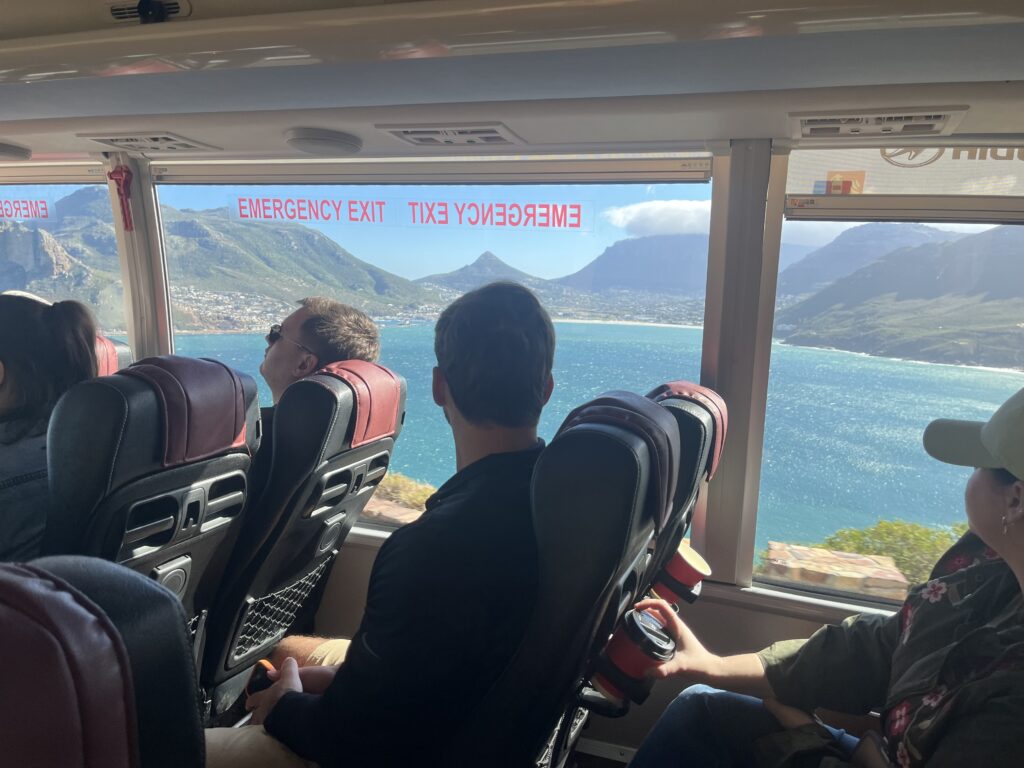
  • 2025: South Africa
  • 2026: Ireland
  • 2027: Scotland

Domestic

What’s included?

The international residency typically spans eight days. Residencies may include:

  • Numerous business site visits
  • Strategic Consulting Project
  • Cultural tours
  • Group dinners
  • Welcome and farewell receptions
  • Free evenings to explore the city
  • Lectures from business experts

Process to Participate

The domestic and international residencies are optional elective courses.  Students interested in participating must apply and meet all payment deadlines. Due to the structured planning required for the residencies, exceptions after deadlines will not be granted for any reason. The program’s timeline is closely coordinated with the Office of Global Engagement and an external travel vendor, each working under strict internal deadlines. Once a deadline has passed, participation in the residency is no longer possible. The residency application requirements and deadlines will be announced to enrolled students in advance of the residencies.

Additional Costs

The optional domestic and international residency costs are not included in tuition and fees. Estimated costs include round-trip airfare, ground transportation at destinations, company visits, planned cultural excursions, accommodations, and most meals. For budgeting purposes, the domestic residency cost is typically $3,000–$4,500, and the international residency is $4,000–$6,500. Students who fail to meet the residency deposit deadline(s) will be automatically dropped from the course.

The Professional MBA Program’s Rich Daniels Global Programs Scholarship was created by WorldStrides Educational Travel & Experiences group in memory of Dr. Rich Daniels, the inaugural MBA Program Director of the Professional MBA Program. Students participating in the program’s international residency can apply to be considered for this scholarship which is in the amount of one student ground package (minus seat deposit), and is available on any year in which the Terry College of Business is partnering with WorldStrides on a global program for students.


Sydney Swain headshot

Sydney swain

Professional MBA program, Class of 2026

“Greetings from Dublin, Ireland! Where Strategy Meets Heritage

My first full day in Ireland was a masterclass in the interconnectedness of global business. From the high-level economic insights from a KPMG strategist to the entrepreneurial spirit of Teeling Whiskey, the common thread was clear: success requires both a wide-angle lens and a sharp focus on execution while also staying true to a national identity and culture.

A “fireside” coffee chat with strategist James Lovell provided a candid look at Ireland’s current trajectory, including the general economic landscape, key sectors, and opportunities. As the tech sector drives incredible growth, it brings a unique set of challenges to local infrastructure. It was a reminder that strategy doesn’t exist in a vacuum. It is shaped by the people and the culture of the place. In Dublin, building a relationship isn’t a precursor to business; it IS the business.

Hearing from Stephen Teeling in the afternoon was a highlight. Teeling Whiskey is successfully carving out a premium space by identifying market gaps and modernizing across their Irish whiskey value chain. As they expand globally, they are proving that you can honor a legacy and family tradition industry while being a disruptor. It’s about having the conviction to stay true to your brand while adapting to the legal and economic requirements of a global market…

Reflecting on yesterday’s sessions, it’s amazing how every lesson aligned with the core pillars of the courses I’ve taken thus far:

  • Economics: Understanding macro stressors and the necessity of diversification is paramount! (That is probably an understatement)
  • Organizational Behavior: Commitment to culture and nurturing relationships sets the tone for strategy and collective motivation across an organization and an entire economy.
  • Data Analytics for Decision-Making: Using data thoughtfully to home in on “where and how to play” can help you uncover obscure and surprising market insights.
  • Managerial Finance: To achieve long-term success, one must acknowledge how global interconnectedness dictates long-term investment decisions.
  • Marketing Management: The challenge of establishing a brand in a traditional industry requires reimagining your value to meet modern consumer needs.
  • Operations Management: Analyzing the value chain is not only essential to managing costs but also to identify when and where to expand or relinquish control.
  • Legal Environment: None of this work matters if you do not protect your investments! Thus, you must understand the ever-complicated global web of regulations to protect IP and investments.
  • Strategy Management: Being willing to say “no” to short-term wins to protect long-term strategic outcomes is absolutely essential.
  • Entrepreneurship: You must remain steadfast to your convictions in the face of legacy competition.

Dublin has already proven to be the perfect classroom. Sláinte to a great start!”